 GyanGram
The U.S.-Iran MoU: Geopolitics, Nuclear Diplomacy, and West Asian Security
On June 15, 2026, following 40 days of devastating war and over two months of intense backchannel diplomacy, the United States and Iran signed a historic Memorandum of Understanding (MoU). The deal aims to freeze hostilities, initiate formal negotiations on contentious disputes, and restore a fragile detente in West Asia. However, the agreement has triggered a major geopolitical storm. While Washington and Tehran seek a diplomatic exit, Israel has fiercely opposed the deal, exposing a rare and public rift between the U.S. and its closest ally in the region.
For UPSC civil services aspirants, this development holds immense significance under **GS Paper 2 (International Relations: Bilateral Agreements & West Asian Geopolitics)** and **GS Paper 3 (Security & Energy Security)**. Understanding the key provisions, the strategic motives of all actors, and the potential sticking points is crucial for scoring well in Mains.
I. Decoupling the MoU: What the Deal Actually Says
The agreement is not a final settlement, but a structured framework to maintain the status quo while the next round of negotiations takes place. The key provisions of the MoU include:
- Universal Ceasefire: An immediate cessation of hostilities on all fronts, including direct mention of Lebanon. Both sides have pledged to respect national sovereignty and refrain from internal interference.
- De-escalation of Choke Points: The U.S. has lifted its naval blockade on Iranian ports. In return, Iran has agreed to remove naval restrictions in the strategic Strait of Hormuz, including clearing mines and obstacles within 30 days.
- Crude Oil Sanctions Relief: The U.S. will issue waivers allowing Iran to export crude oil, petroleum products, and petrochemical derivatives, alongside restoring access to global banking, insurance, and shipping networks.
- Unfreezing of Assets: Iran's overseas assets—estimated by Tehran at $24 billion—will be unfrozen in a phased manner contingent on progress in the next stage of talks.
- International Reconstruction Fund: The U.S. and regional partners will draft a $300 billion plan for Iran's reconstruction and economic redevelopment, which Tehran can access once a final, comprehensive treaty is signed.
II. The Nuclear Equations: Commitments & Concessions
A central pillar of the MoU is halting Iran's nuclear capabilities. Both sides have made significant concessions to keep the peace process alive:
"Both sides have mutually agreed to 'downblend' (dilute) Iran's 60% highly enriched uranium (HEU) under strict IAEA supervision."
This represents a notable policy shift for the United States. Previously, Washington demanded that Iran's HEU stockpile be completely shipped out of the country and destroyed. In a major concession, the Trump administration has agreed that the dilution can take place "either in America or in Iran." In exchange, Iran has reiterated its commitment never to build nuclear weapons and agreed to restore full International Atomic Energy Agency (IAEA) monitoring and access to its nuclear sites.
III. Why Israel Opposes the Deal: A Clash of Strategic Visions
For Tel Aviv, the U.S.-Iran MoU is a severe strategic and diplomatic setback. Israel's geopolitical calculations tell a story of unfulfilled objectives:
- Unfulfilled War Objectives: Israel and the U.S. launched strikes in February 2026 with the goals of achieving regime change in Tehran, dismantling Iran's nuclear capability, and ending its support for regional proxies (Hamas, Hezbollah, and the Houthis). However, Tehran survived the 40-day campaign, forcing the U.S. to seek a diplomatic exit due to mounting economic costs.
- Alteration of the Balance of Power: With the fall of Syria's Assad regime in December 2024, Iran's regional land corridor to Lebanon was weakened. However, Tel Aviv fears that the lifting of economic sanctions and the unfreezing of assets will make Iran conventionally stronger and solidify its presence in the region.
- The Lebanon Card: Despite the ceasefire, Israeli forces continue to occupy parts of Southern Lebanon and launch airstrikes. Prime Minister Benjamin Netanyahu and Defense Minister Israel Katz have declared that Israeli troops will not withdraw, keeping Lebanon as a potential trigger to disrupt the U.S.-Iran detente.
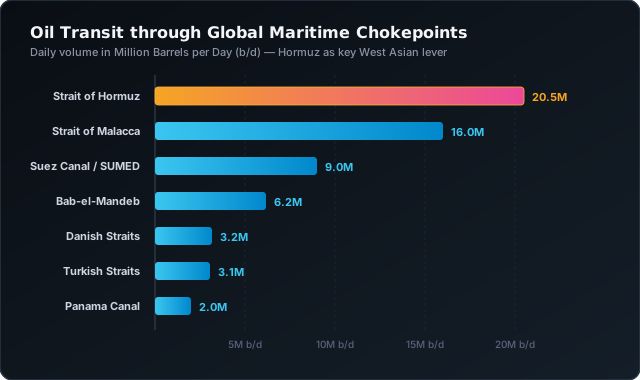
Key Choke Point: The Strait of Hormuz
Representing the transit route for nearly 20% of the world's petroleum liquids, the Strait of Hormuz remains a critical geopolitical lever. Iran's brief closure of the Strait in response to Israeli airstrikes in Lebanon demonstrates how quickly regional escalations can disrupt global oil markets and threaten energy security.
IV. The Key Sticking Points: Will the Agreement Hold?
While both Washington and Tehran have clear incentives to avoid a prolonged war, three major hurdles could torpedo the peace process:
- The Lebanon Occupation: As long as Israeli troops occupy Southern Lebanon, skirmishes with Hezbollah will continue. Netanyahu's determination to leverage the Lebanon front has already disrupted progress, prompting Iran to call off scheduled Geneva talks on June 19.
- Enrichment Rights: Iran demands the recognized right to enrich uranium for civilian purposes on its own soil—a position historically opposed by both the U.S. and Israel.
- IAEA Inspection Modalities: Working out the precise inspection access and verification protocols for downblending Iran's enriched uranium will test the limits of mutual trust.
V. Strategic Implications for India
India is a key stakeholder in West Asian stability, and the U.S.-Iran detente directly impacts New Delhi's interests:
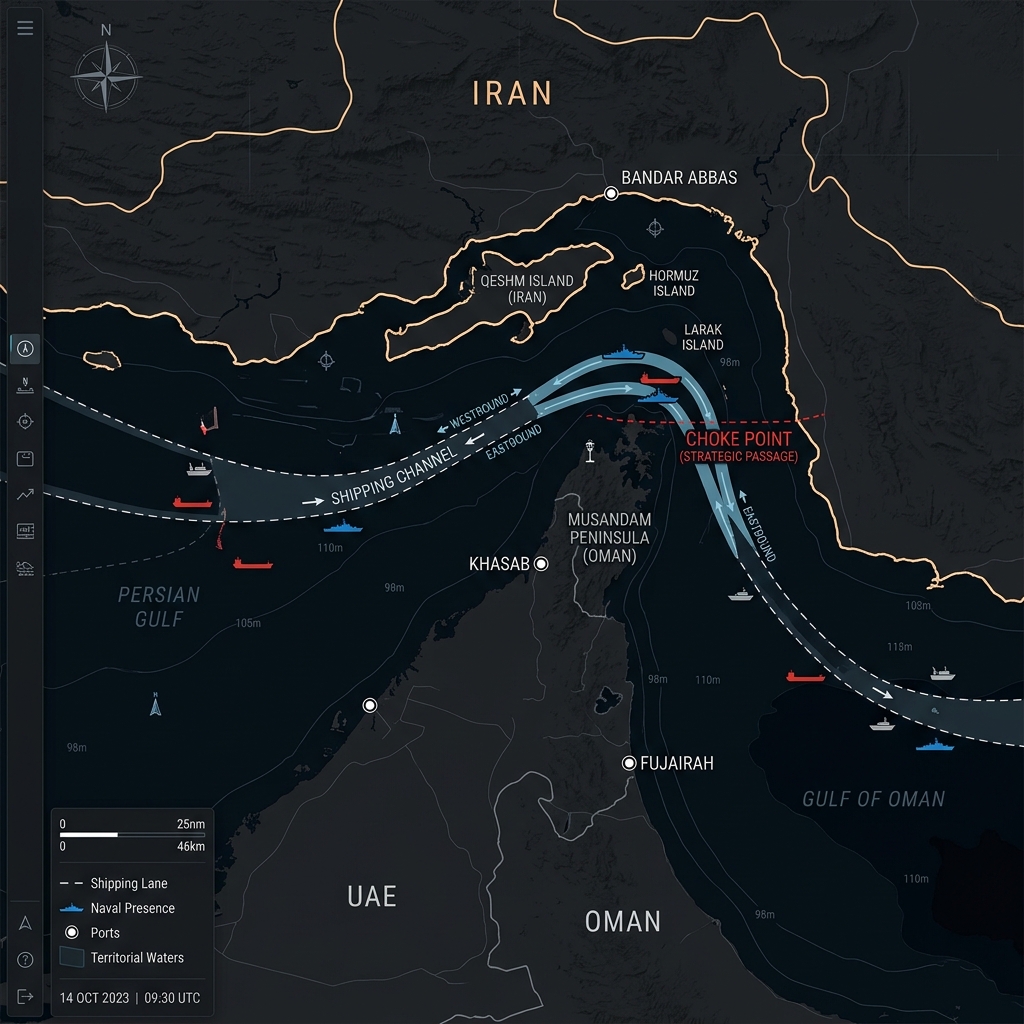
- Energy Security: A de-escalation of conflict in the Persian Gulf and the Strait of Hormuz stabilizes global crude oil prices, keeping India's import bill in check.
- Connectivity Projects: Sanctions relief on Iran could breathe new life into the Chabahar Port project and the International North-South Transport Corridor (INSTC), strengthening India's trade links to Central Asia.
- Geopolitical Balancing: India maintains close ties with both Israel and Iran. A diplomatic resolution reduces the pressure on New Delhi to navigate conflicting alliances in West Asia.
VI. Conclusion
The U.S.-Iran MoU is a pragmatic, temporary corrective to a destructive war, driven by Washington's economic calculations and Tehran's need for financial relief. However, as long as regional flashpoints like Lebanon remain unresolved and Israel continues to oppose the detente, the path to a final, lasting peace remains fraught with risk.

Learn smarter with GyanGram
Free on Android & Web. Turn scroll time into real progress.